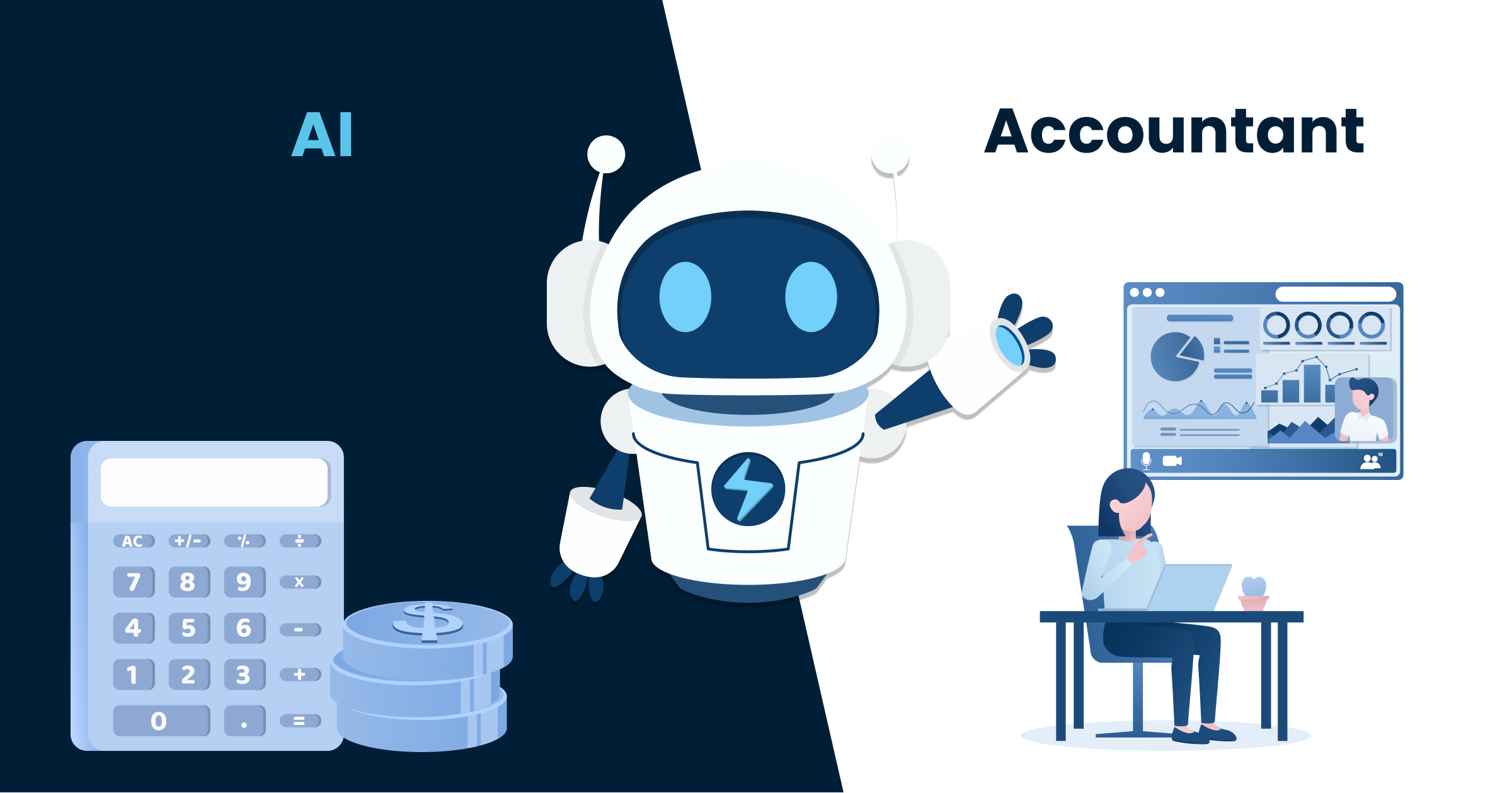
Ever filed your own taxes? Most people just go "I'll let the accountant handle it." Santiago (@svpino) did that too. He tried a CPA — efficient, but got it wrong. Switched to a big tax firm — accurate this time, but barely tried to save him money.
So this year, he combined Claude and ChatGPT to file his taxes himself. The result? AI found deductions that his tax pros had missed. And he's not the only one. Daniel Vassallo also handled his S-Corp taxes with Claude and saved thousands of dollars.
What happened?
Here's a summary of Santiago's tax filing journey:
- First CPA — Efficient but got the filings wrong
- Big tax firm — Accurate but put zero effort into tax savings. Basically a "form processor"
- AI (Claude + ChatGPT) — Understood the context of tax law, asked about applicable deductions one by one, and found them
Here's the key insight: Accountants process "the work assigned to them." AI digs deeper the more you ask. Every time Santiago asked "can I deduct this?" AI answered with specific tax code provisions, and ended up catching items his accountant had overlooked.
Daniel Vassallo's case is similar. S-Corp operations, multiple income streams, international taxes — complex situation, and he completed it all with Claude. His key point was this:
Vassallo's prerequisites for AI tax filing
1. Have previous tax returns on hand. You need to give AI context.
2. Have a basic sense for whether numbers make sense. You need to sanity-check the results.
3. Take full responsibility for the outcome. You can't blame AI. The IRS comes after you, not Claude.
But this pattern isn't limited to taxes. The exact same thing is happening across multiple professional service sectors right now.
How is this different?
Let's compare outsourcing to a professional versus doing it yourself with AI.
| Dimension | Professional outsourcing | AI DIY |
|---|---|---|
| Cost | $150-500+/hour | $20-200/month (subscription) |
| Incentive | Finish fast (hourly billing) | Digs deeper the more you ask |
| Customization | Standard templates applied | 1:1 optimized for your situation |
| Speed | Book → consult → wait days | Instant, 24/7 |
| Depth | Stays within assigned scope | Scope expands with every question |
| Judgment | Experience-based intuition, handles edge cases | Pattern matching, vulnerable to edge cases |
| Liability | Protected by professional insurance/license | 100% your responsibility |
The row to focus on is "Incentive." Accountants bill by the hour, so they're incentivized to wrap up fast. AI digs deeper the more you push it. That's why Santiago found more deductions.
Of course, professionals still win on judgment and liability. So the answer isn't "professional OR AI" — it's "AI + my judgment."
It's not just taxes — where AI is disrupting professional services
The same pattern is spreading across other professional services.
1. Legal — Contract review time cut 70-85%
AI legal tools like Harvey AI and Spellbook are automating contract review, clause analysis, and risk flagging. A significant portion of contract review work previously done by junior associates is now handled by AI. Data shows AI contract review tools cut review time by 70-85%.
2. Medical — AI diagnostic accuracy matches physicians
A meta-analysis of 83 studies published in Nature found no statistically significant difference between AI and physician diagnostic accuracy. In dermatology and radiology, AI even showed better consistency. Microsoft's AI diagnostic system completed difficult cases faster and cheaper than experienced physicians.
3. Accounting — Tax prep time cut up to 65%
TaxGPT's Tax Prep AI automates the entire process from document collection to return preparation. It reads W-2s, 1099s, and K-1s, inputs directly into tax software, and runs diagnostics. The final signature is still a CPA's, but "the repetitive input-and-check work" has been taken over by AI.
4. Consulting — Junior research work automated
According to HBR, AI is automating the research, data analysis, and draft report work that junior consultants used to handle. Major firms like McKinsey and BCG are deploying AI tools company-wide, fundamentally reshaping consulting's structure.
How to get started
If you want to supplement or replace professional services with AI, start in this order.
- Pick the professional service costing you the most. Taxes, legal, design, translation — start with whatever has the highest annual spend.
- Show AI your last deliverable. "Here's what I got last time — anything missing?" That one question kicks it off. Santiago started by feeding his previous tax returns into Claude.
- Verify AI's suggestions. Cross-check the deductions, clauses, and strategies AI proposes against official sources (IRS rules, legal codes, etc.). AI can hallucinate.
- Build an "AI draft → expert review" workflow. Don't go 100% AI from day one. AI does 80%, an expert validates 20%. Costs drop significantly while quality holds.
- Increase AI share year over year. Year one: AI 50% + expert 50%. As experience builds, shift to AI 80% + expert final check. That "sense for whether results make sense" that Vassallo mentioned — that's what you're building.
Warning: areas where AI should NOT replace experts
Audit defense, litigation, regulatory responses — areas where liability is legally critical still require professionals. AI is a tool, not a license. When the IRS audits you, "Claude told me to do it" doesn't fly.