🎯 30-Second Summary
"Instead of spending on ads, make history."
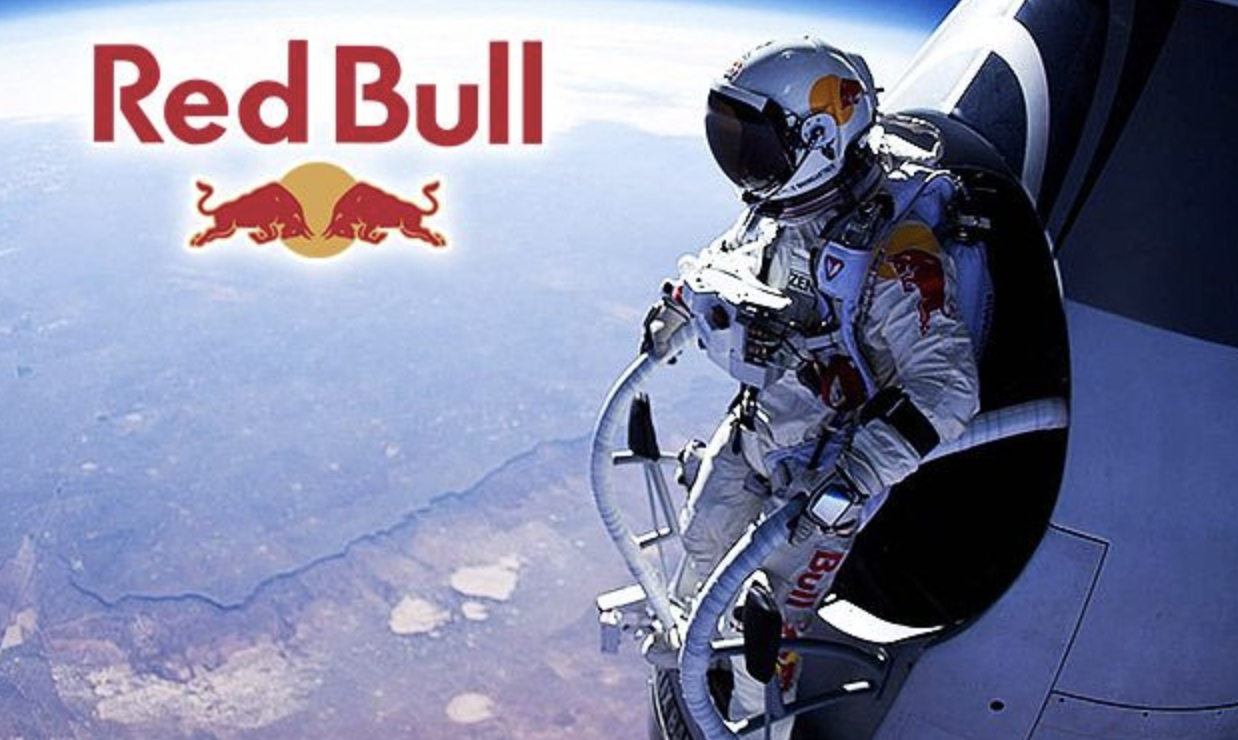
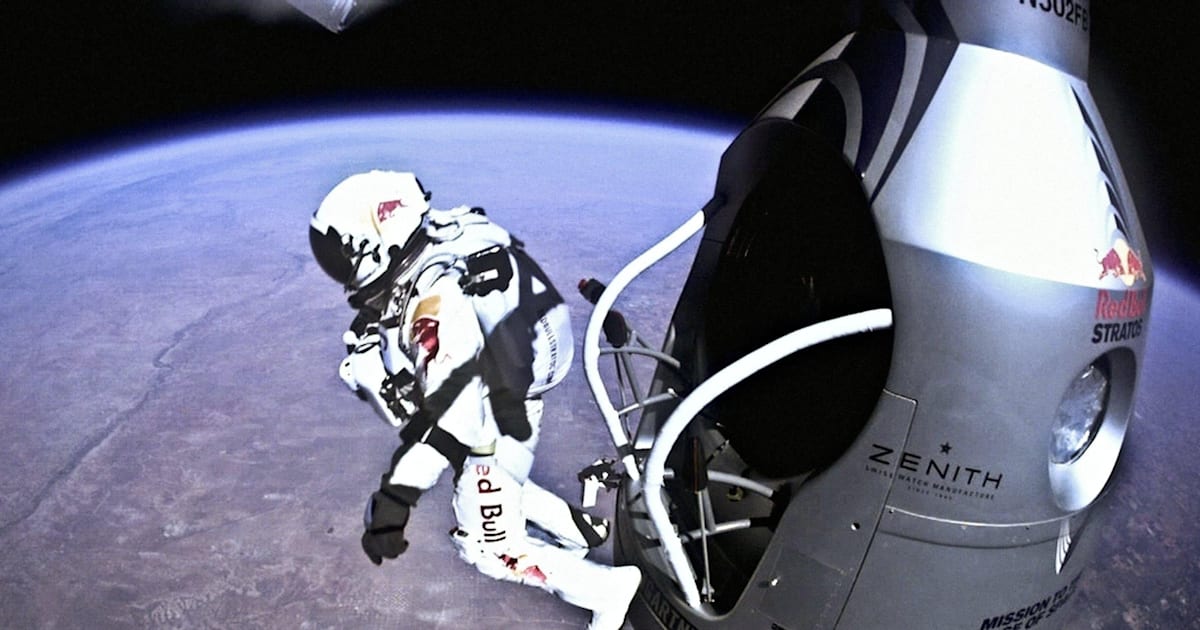
On October 14, 2012, a man jumped from 39 km above the Earth. Red Bull's Stratos project wasn't just a marketing campaign — it was an extreme challenge that made it into the history books. Eight million people watched this 9-minute freefall live, completely redefining Red Bull from an energy drink company into the definitive name in extreme sports.
3 Key Success Factors
- 🎬 The content is the ad: Instead of traditional advertising, they created a historic event
- 🌍 Brand message taken to the extreme: "Red Bull gives you wings" — made literal
- 📺 Organic media wildfire: News outlets worldwide raced to cover it
📊 Impact by the Numbers
Project Scale
- Investment: approximately $50 million
- Preparation time: 5 years
- Team size: scientists, engineers, and over 300 specialists
Media Impact
- YouTube live viewers: 8 million (platform record at the time)
- Total cumulative views: 52 million (as of 2012)
- Earned media value: an estimated $6 billion in equivalent ad spend
- Social media mentions: millions (a single-event record)
Business Impact
- Sales up 7% in the year following the campaign
- Brand value increased by 27%
- Total ownership of the "extreme sports = Red Bull" brand association
Sources: Red Bull Stratos Official Report (https://www.redbullstratos.com/), Forbes Marketing Analysis (https://www.forbes.com/), AdAge Campaign Report (https://adage.com/)
💡 Why Was It So Successful?
1/ They didn't make an ad — they made news
Most brands create advertisements. Red Bull made history.
What if they'd done it two years later? Less novelty, more competition.
Red Bull seized the precise moment when technology, culture, and media were perfectly aligned.
Source: TechCrunch - "Felix Baumgartner's Jump Breaks YouTube Live Streaming Record" (https://techcrunch.com/)
5/ Authenticity: 5 years of real preparation
This wasn't just a marketing stunt. It was a genuine scientific project.
Expertise involved
- Former NASA engineering team
- Aerospace medicine specialists
- Extreme environment survival experts
- Custom spacesuit development (2 years)
- Capsule design and fabrication
Scientific contributions
- High-altitude escape system research
- Human physiology data under extreme conditions
- Contributions to next-generation spacesuit development
- Data shared with NASA
People can tell when something is real. If this had been CGI or faked? The brand would have been destroyed.
But Red Bull actually did it, and that authenticity moved the entire world.
Sources: NASA Technical Reports Server (https://ntrs.nasa.gov/), Scientific American (https://www.scientificamerican.com/)
🎯 Key Insights
Lessons from Red Bull Stratos
- Don't make ads — make news. People avoid advertisements, but they actively seek out historic moments. What "first-ever moment" could your brand create?
- Turn your brand message from metaphor into reality. Just as Red Bull proved "gives you wings" with an actual stratospheric jump, think about how you can dramatically deliver on your brand promise.
- Don't sell the product — let people experience the value. Nowhere in the Stratos footage will you hear "buy Red Bull." Yet the entire world experienced what Red Bull stands for.
- Invest in long-term branding. $50 million. Five years of preparation. Impossible to justify on short-term ROI alone — but the brand value increase was permanent.
💭 Questions to Consider
- What would it look like to take your brand's slogan to the extreme?
- What "historic moment" could your brand create?
- Instead of traditional advertising, what newsworthy event could you produce?
- What culture or values can your brand represent, and how could you turn that into content?