Loading...

Work Smarter with AI

Real workflows. Real results.Join 420 readers

Latest

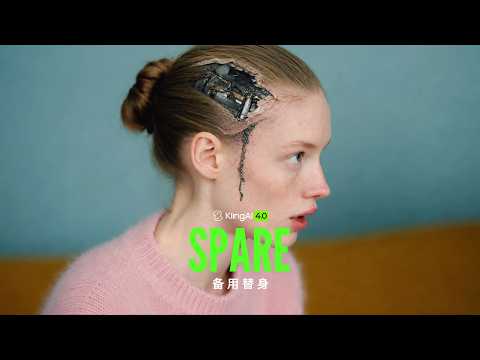
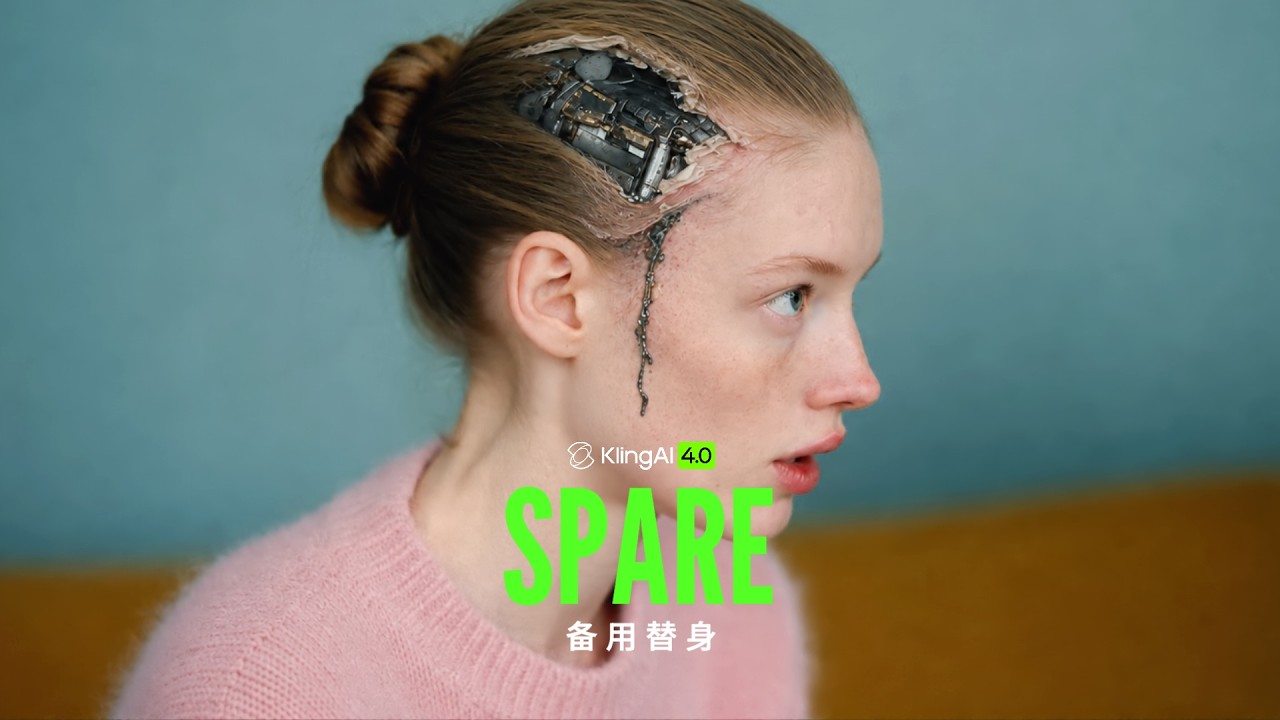
A scene from "SPARE," a dialogue-driven short film 汗青 HQ made with Kling 4.0
2026.10.26

No cameras, no actors. We handed the scenes to AI and got a nearly three-minute short film full of real back-and-forth dialogue

Give Kling 4.0 character and scene images plus a voice as references, and it generates scenes up to 30 seconds long in one pass, with mouth movements that match the sound. It was announced on Sept. 28 and opened to everyone on Oct. 15. Here are the examples we collected: a dialogue-driven short film, the first episode of a noir series, and a hip-hop music video.

Kling 4.0 · 3 cases
Insights2026.10.29

Subscription companies made money on forgotten renewals. Now an AI assistant cancels them for customers

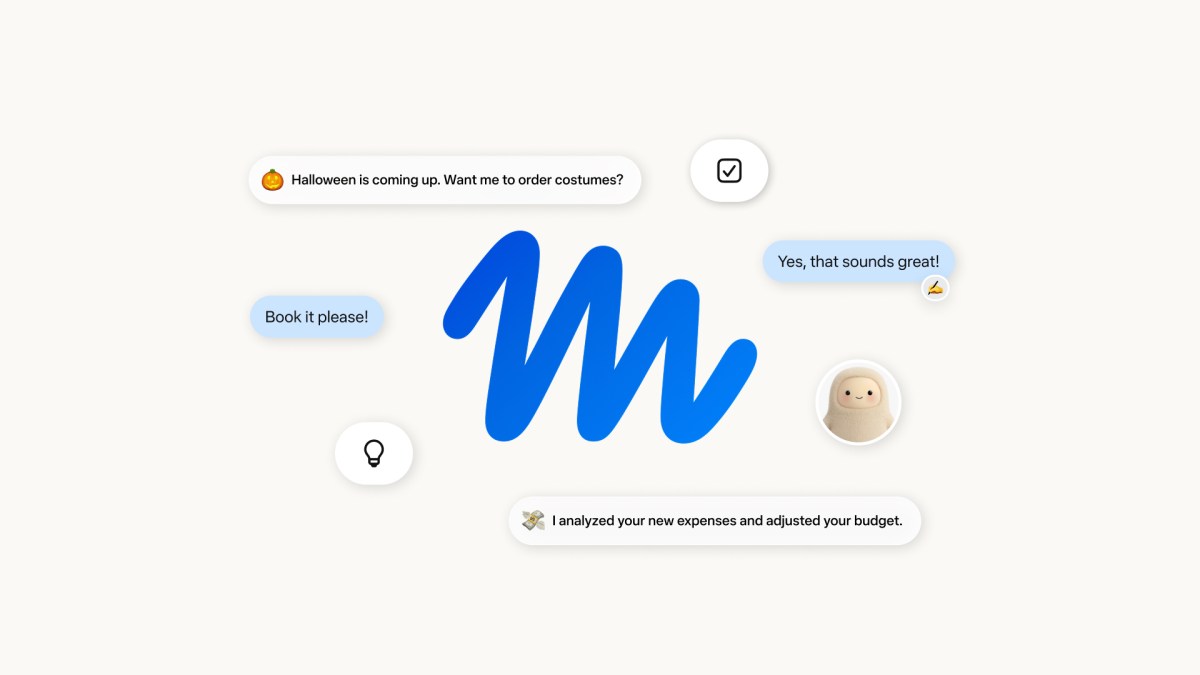
Stanford researchers estimated that inertia in canceling raises revenue at large subscription services by 87% on average, close to double, and that cancellations rose sharply in months when customers had to decide for themselves. Meta's AI assistant Muse finds those neglected subscriptions and cancels them for customers, and in one person's collection of public cases, recovering money was the most common single task. What subscription companies can count on is shifting from the time customers spend putting things off to real use, the kind that makes customers say they'll keep paying when an AI asks.

Insights2026.10.29

People with no ultrasound training swept a handheld probe across pregnant bellies, and AI dated the pregnancies as accurately as expert sonographers

People who had never learned ultrasound swept a handheld device across the belly, and the AI's gestational age estimates had a mean error of 4.2 days, no worse than expert sonographers (4.5 days). In Nairobi, where the AI was never trained on local data, the AI and the experts had the same mean error: 4.3 days. What field staff learned in six hours of hands-on training wasn't how to read scans. It was how to sweep evenly, at a quality the AI could read.

Insights2026.10.26

AI turned out 722 math manuscripts at once. Now the scarce resource is mathematicians to read them

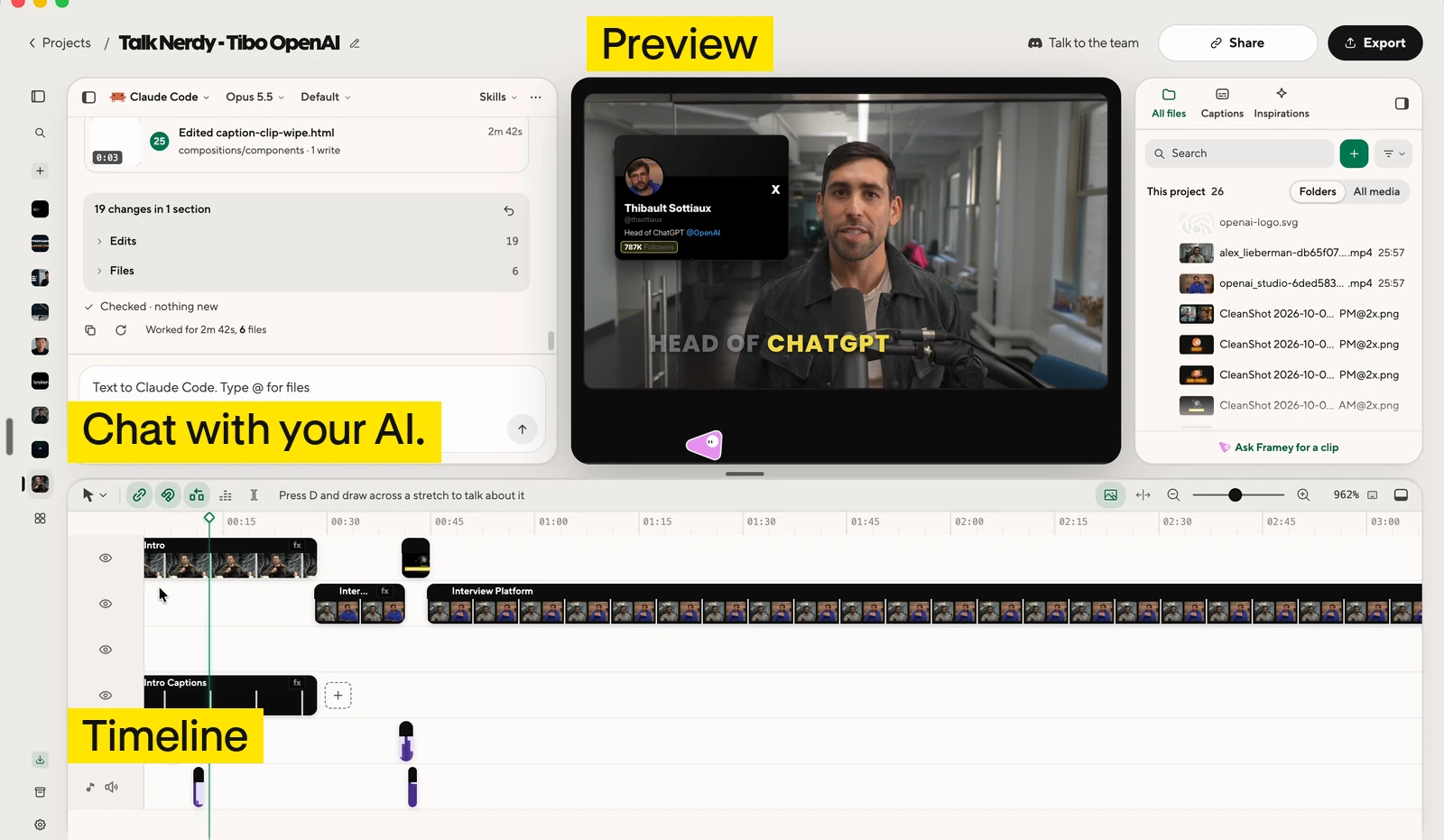
OpenAI released 722 AI-generated math manuscripts at once. Of the 719 left after withdrawals, only 42% have proofs confirmed by the Lean program. This piece follows the record of 3 withdrawals over a calculation error the next day, 14 separate proof revisions, and how mathematicians reacted. Together they show math's bottleneck moving from producing proofs to finding people who can read and check them.

Insights2026.10.26

Handing classification to AI now costs almost nothing. Almost no one checked whether it got the answers right

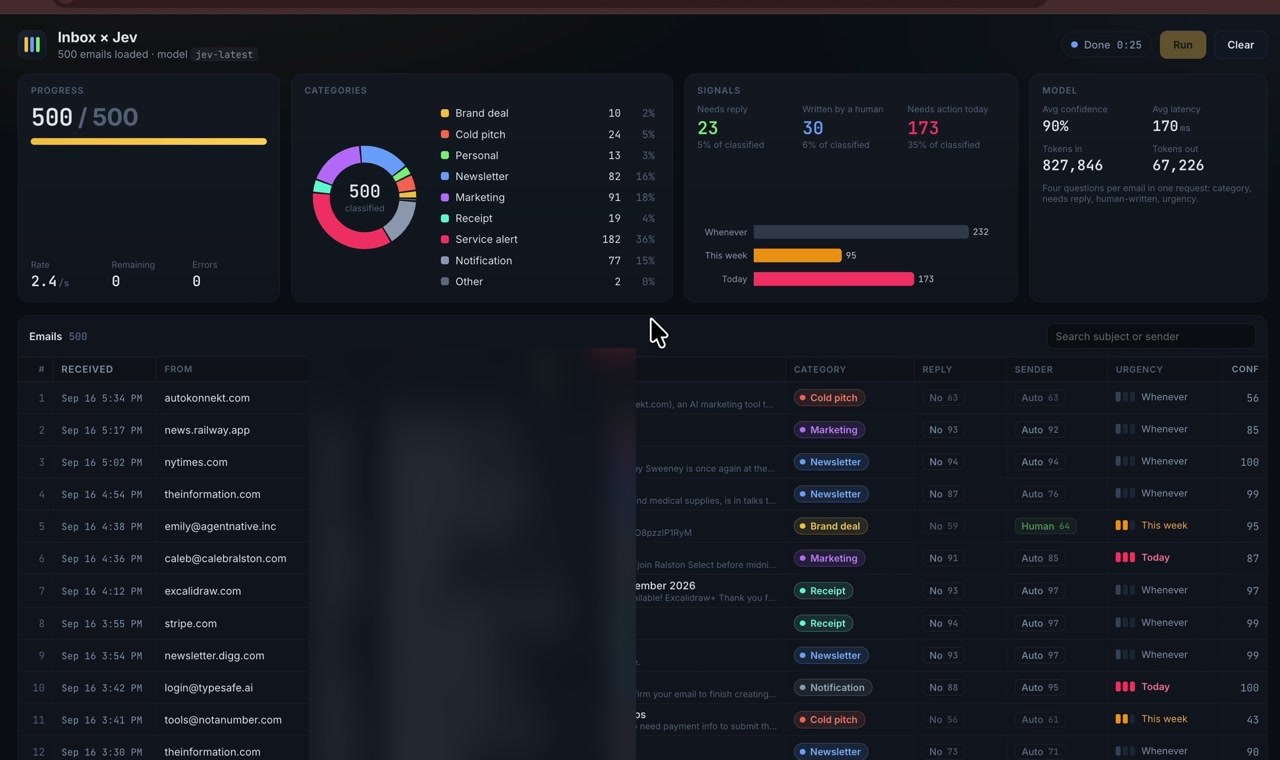
TypeSafe's decision model Jev matched Claude Sonnet 5's score of 67.8% at $0.0004 per decision, but the answers it was graded against came from two AI models that aren't on the leaderboard. When Red Hat retested it on public data with labels already attached, Jev ranked first or fourth depending on the task, and the results did not show it was faster or cheaper. Now that decisions are nearly free, the first thing to check isn't the model's price. It's whether you have an answer key that can show the decisions were right for your work.

Weekly · Free

Hi, I'm Rush from Working Reference.

The week in AI: the BEST
just 3, straight to your inbox

Work Smarter with AI

420 readers get it every week

You're in See you in your inbox with the next issue.